+86-025-52300628
- All
- Product Name
- Product Keyword
- Product Model
- Product Summary
- Product Description
- Multi Field Search
 English
Views: 0 Author: Site Editor Publish Time: 2025-07-10 Origin: Site


Did you know that veterinary drugs are vital for maintaining both animal health and food safety? These drugs are essential in treating diseases and ensuring quality in animal-derived food products.
In this article, we’ll explain what veterinary drugs are and why they are so important. You’ll also learn about their role in treating animals and the safety regulations surrounding their use in the food industry.
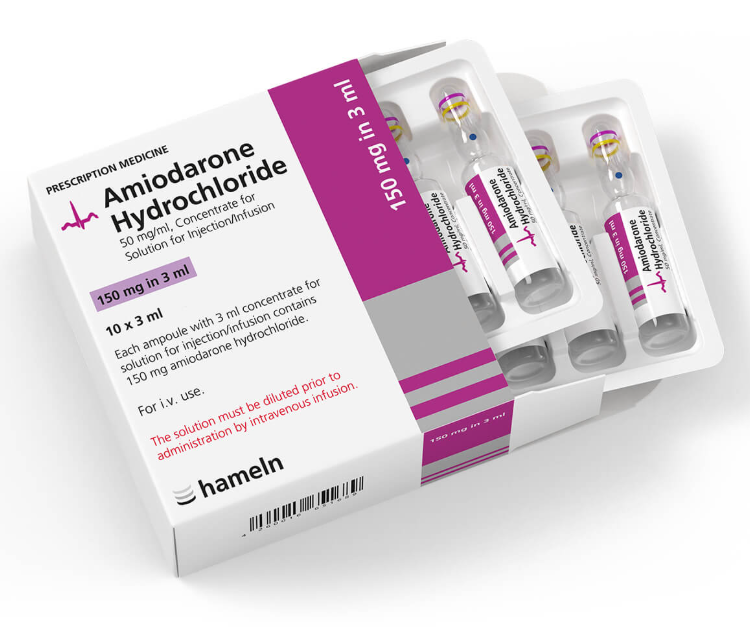
Veterinary drugsare critical in ensuring the health and well-being of animals. They fall into several categories based on their use, such as therapeutic, prophylactic, and diagnostic drugs. Here's a breakdown of the different types:
Antibiotics are used to treat bacterial infections in animals, much like in humans. These drugs fight infections and help prevent their spread. Common examples include:
Penicillin – Treats a variety of bacterial infections.
Tetracycline – Used for respiratory infections and skin diseases.
Antiparasitic drugs target both internal (endoparasites) and external (ectoparasites) parasites. These drugs help prevent and treat infections in livestock and pets, keeping them healthy and productive. For example:
Internal Parasites – Drugs like ivermectin treat worms and other internal parasites.
External Parasites – Flea and tick treatments like fipronil help control external parasites.
NSAIDs are used to reduce inflammation and relieve pain in animals, especially in cases of arthritis or injuries. They help manage discomfort and improve mobility in affected animals.
Steroids are often prescribed for inflammation, allergies, and autoimmune disorders. These drugs help control the body's immune response and are critical in managing conditions like asthma or skin allergies.
Vaccines are preventive measures used to protect animals from diseases. They stimulate the animal's immune system to recognize and fight specific pathogens. Examples include vaccines for rabies, foot-and-mouth disease, and distemper. Vaccination is a key part of animal husbandry to ensure herd health and reduce disease outbreaks.
Growth promoters are substances used to enhance the growth rate of food-producing animals. While some are legal, such as certain hormones, others are banned due to health concerns. The ethical debate surrounding growth promoters continues, especially regarding their impact on human health and animal welfare.
Hormonal drugs are used in veterinary medicine to manage reproductive health, diagnose conditions, or regulate animal behavior. These drugs are crucial in managing estrus cycles in breeding animals or controlling hormone-related disorders.
Sedatives and anesthetics are used during surgeries and diagnostic procedures. They ensure animals remain calm or unconscious during treatment, allowing veterinarians to perform necessary procedures safely and effectively.
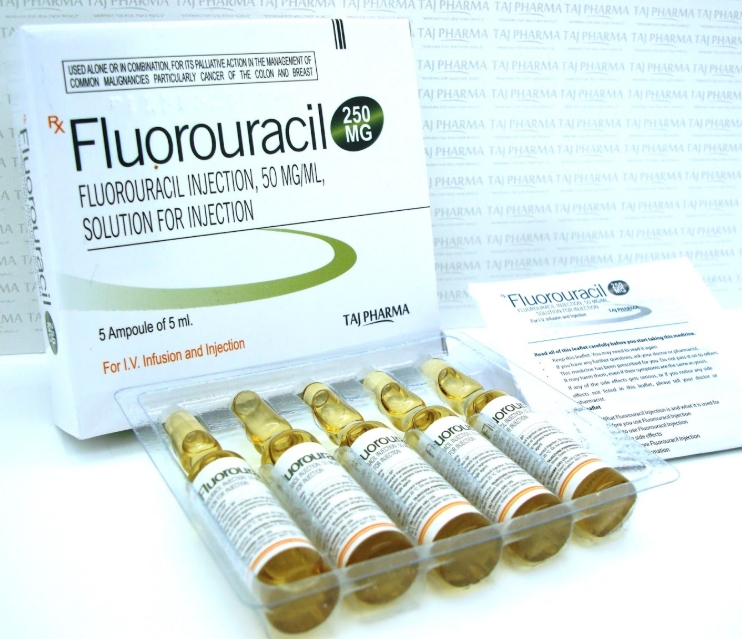
Veterinary drugs are essential in managing animal health, whether in livestock farming or companion animal care. These drugs play a role in preventing diseases, treating illnesses, and improving productivity across various types of animals.
In livestock farming, veterinary drugs are primarily used for preventive care. These drugs help ensure that animals stay healthy and productive. Vaccines, antiparasitics, and growth promoters are commonly administered to reduce the risk of disease outbreaks and improve production efficiency. By maintaining the health of livestock, farmers can prevent losses and improve the quality of meat, milk, and eggs.
Antibiotics are often used in livestock farming to treat infections and prevent disease. However, their use is controversial due to the risk of developing antibiotic-resistant bacteria, which can affect both animal and human health. Regulations have been put in place to limit antibiotic use and ensure that residues in animal products remain within safe limits. Many countries have banned antibiotics as growth promoters, emphasizing the need for responsible antibiotic use in food production.
Veterinary drugs are frequently used to treat common ailments in pets, including infections, allergies, and pain. Flea treatments, antibiotics, and anti-inflammatory drugs are commonly prescribed. For example, antibiotics like amoxicillin treat bacterial infections, while NSAIDs help manage pain from conditions like arthritis. These medications help ensure that pets stay healthy and comfortable.
Exotic animals require special care when it comes to veterinary drugs. Since many exotic species have unique physiological needs, veterinarians must consider these factors when prescribing treatments. Specialized drugs may be required for exotic pets, and veterinarians must adjust dosages and treatment plans based on the species, size, and health status of the animal.
Veterinary drugs are essential in managing animal health, whether in livestock farming or companion animal care. These drugs play a role in preventing diseases, treating illnesses, and improving productivity across various types of animals.
In livestock farming, veterinary drugs are primarily used for preventive care. These drugs help ensure that animals stay healthy and productive. Vaccines, antiparasitics, and growth promoters are commonly administered to reduce the risk of disease outbreaks and improve production efficiency. By maintaining the health of livestock, farmers can prevent losses and improve the quality of meat, milk, and eggs.
Antibiotics are often used in livestock farming to treat infections and prevent disease. However, their use is controversial due to the risk of developing antibiotic-resistant bacteria, which can affect both animal and human health. Regulations have been put in place to limit antibiotic use and ensure that residues in animal products remain within safe limits. Many countries have banned antibiotics as growth promoters, emphasizing the need for responsible antibiotic use in food production.
Veterinary drugs are frequently used to treat common ailments in pets, including infections, allergies, and pain. Flea treatments, antibiotics, and anti-inflammatory drugs are commonly prescribed. For example, antibiotics like amoxicillin treat bacterial infections, while NSAIDs help manage pain from conditions like arthritis. These medications help ensure that pets stay healthy and comfortable.
Exotic animals require special care when it comes to veterinary drugs. Since many exotic species have unique physiological needs, veterinarians must consider these factors when prescribing treatments. Specialized drugs may be required for exotic pets, and veterinarians must adjust dosages and treatment plans based on the species, size, and health status of the animal.
The use of veterinary drugs is closely regulated to ensure both animal and human health. These regulations help monitor drug safety, manage risks, and maintain food quality standards. Below, we explore the role of regulatory agencies, the approval process, and how veterinary drugs are monitored.
Organizations like the FDA (Food and Drug Administration) and the European Medicines Agency (EMA) are responsible for regulating veterinary drugs. These agencies establish and enforce standards for the safety, efficacy, and quality of veterinary drugs. They ensure that any drug used in animals does not pose a risk to public health or the environment.
Before a veterinary drug can be used, it must go through a thorough approval process. This includes:
Preclinical Studies – Testing the drug on animals to assess its safety and effectiveness.
Clinical Trials – Conducting trials in animals to confirm that the drug works as intended.
Approval by Regulatory Bodies – After successful trials, the drug is reviewed by regulatory agencies to ensure it meets safety and efficacy standards.
This process ensures that only safe and effective veterinary drugs are introduced into the market.
A withdrawal period is the time required between the administration of a veterinary drug and the slaughter of an animal or the collection of its products (like milk or eggs). This period ensures that drug residues do not remain in the animal products, protecting consumers from harmful exposure. Regulations set these periods based on the type of drug and its metabolism in the animal.
Governments and international organizations monitor veterinary drug residues in animal products to ensure they are within safe limits. This includes regular testing of meat, milk, and eggs to detect any potential contaminants. Testing is often done randomly, with samples taken from farms and markets to ensure compliance with safety standards.
Several food safety programs are in place to reduce the risks associated with veterinary drugs. These programs include:
National Residue Monitoring Programs – Conducted by countries to test animal products for drug residues.
International Collaboration – Countries work together to establish and monitor residue limits through organizations like the Codex Alimentarius Commission. This ensures consistent standards globally and helps prevent the illegal use of drugs in animals.
These efforts help maintain food safety, ensuring consumers are not exposed to unsafe levels of veterinary drug residues.
As veterinary medicine continues to evolve, new innovations and ethical considerations are shaping the future of veterinary drug use. These advancements aim to improve treatment outcomes for animals while addressing concerns about drug resistance and public health.
Nanotechnology is revolutionizing veterinary medicine by enhancing drug delivery systems. By using nanoparticles, drugs can be more effectively targeted to specific areas in the body, improving treatment precision and reducing side effects. These advancements could lead to more effective therapies with fewer adverse reactions, benefiting both animals and the environment.
The overuse of antibiotics in veterinary medicine has raised concerns about antimicrobial resistance. As a result, researchers are exploring alternatives to traditional antibiotics. Some of these alternatives include phage therapy (using viruses to target bacteria) and probiotics to improve gut health in livestock. These innovations aim to reduce reliance on antibiotics while maintaining animal health.
As consumers become more aware of the potential risks of veterinary drug use, including drug residues in food and antibiotic resistance, their concerns are influencing regulations. Many consumers are demanding better transparency about the drugs used in animal agriculture. This shift in public opinion is prompting stricter regulations and encouraging the development of safer, more sustainable alternatives.
Veterinarians play a crucial role in ensuring the safe use of veterinary drugs. Their responsibility is not only to diagnose and treat animals but also to guide responsible drug use. This includes adhering to withdrawal periods, avoiding overuse of antibiotics, and educating animal owners about the risks of drug residues. As ethical stewards of animal health, veterinarians are central to balancing treatment needs with public safety.
As veterinary medicine continues to evolve, new innovations and ethical considerations are shaping the future of veterinary drug use. These advancements aim to improve treatment outcomes for animals while addressing concerns about drug resistance and public health.
Nanotechnology is revolutionizing veterinary medicine by enhancing drug delivery systems. By using nanoparticles, drugs can be more effectively targeted to specific areas in the body, improving treatment precision and reducing side effects. These advancements could lead to more effective therapies with fewer adverse reactions, benefiting both animals and the environment.
The overuse of antibiotics in veterinary medicine has raised concerns about antimicrobial resistance. As a result, researchers are exploring alternatives to traditional antibiotics. Some of these alternatives include phage therapy (using viruses to target bacteria) and probiotics to improve gut health in livestock. These innovations aim to reduce reliance on antibiotics while maintaining animal health.
As consumers become more aware of the potential risks of veterinary drug use, including drug residues in food and antibiotic resistance, their concerns are influencing regulations. Many consumers are demanding better transparency about the drugs used in animal agriculture. This shift in public opinion is prompting stricter regulations and encouraging the development of safer, more sustainable alternatives.
Veterinarians play a crucial role in ensuring the safe use of veterinary drugs. Their responsibility is not only to diagnose and treat animals but also to guide responsible drug use. This includes adhering to withdrawal periods, avoiding overuse of antibiotics, and educating animal owners about the risks of drug residues. As ethical stewards of animal health, veterinarians are central to balancing treatment needs with public safety.
A: Veterinary drugs ensure healthy, high-quality animal products while maintaining animal health. However, their use must be carefully regulated to prevent harmful residues.
A: Yes, if residues from veterinary drugs are present in meat or dairy products, they can pose health risks, especially if consumed above the established safety limits.
A: Yes, antibiotics are commonly used in animals to treat infections, but their use is strictly regulated to prevent antibiotic resistance and contamination of food products.
A: Proper use of veterinary drugs helps improve animal welfare by treating diseases and alleviating pain, but misuse can lead to adverse effects and resistance.